Surplus energy as a resource: photovoltaics between the “day-ahead” market and the new solutions
Surplus energy as a resource: photovoltaics between the “day-ahead” market and the new solutions
As spring arrives, photovoltaic plants enter a period of peak generation. Longer daylight hours and lower temperatures create almost optimal production conditions, which logically leads to a significant increase in the electricity fed into the grid. This natural seasonal cycle, however, increasingly confronts producers with a paradox – the more electricity is generated, the harder it becomes to sell it on economically favourable terms.
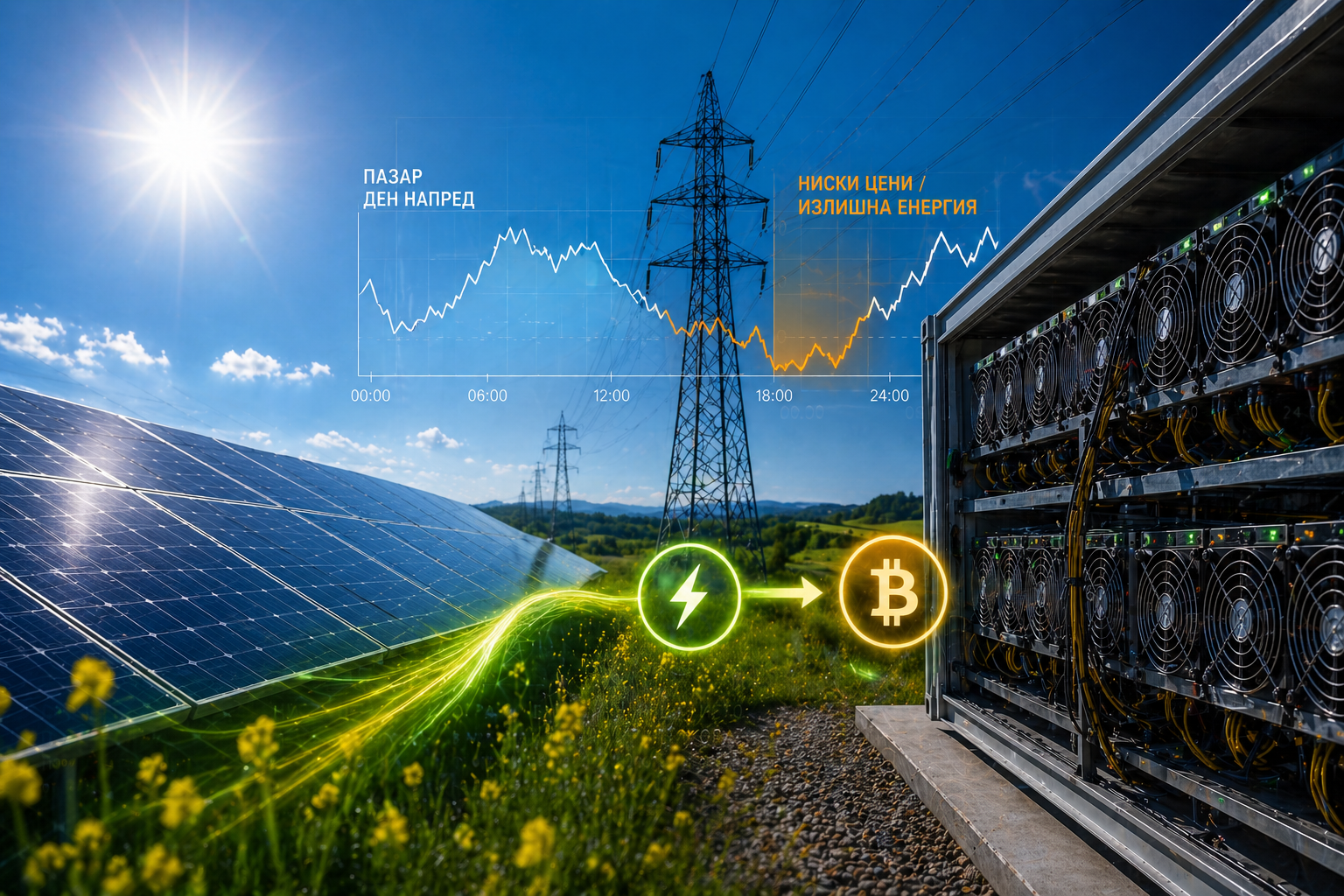
The reason lies in the structure of the market and in the way the price of electricity is formed. A significant share of producers operate on the free market, where sales go through the “day-ahead” segment of the Independent Bulgarian Energy Exchange (IBEX). It is precisely there, with high supply and limited demand, that prices can fall sharply – including to levels close to zero. In certain time bands, especially around midday when photovoltaic generation reaches its maximum, there is systemic downward pressure on prices caused by oversupply.
In parallel, some producers still work under contracts or mechanisms tied to the National Electricity Company (NEK), where the terms for buying the electricity are also influenced by market dynamics and the regulatory framework. In the context of market liberalisation and the changes in legislation, including the balancing requirements and participation in balancing groups under the rules of the Energy and Water Regulatory Commission (EWRC), producers carry ever greater responsibility for forecasting and managing their schedules. This further complicates the economics of photovoltaic projects, especially in periods of high volatility.
On top of this come the constraints of the transmission grid. In certain situations the Electricity System Operator (ESO) is forced to apply measures that limit production (so-called “curtailment”) when the balance of the system is at risk. For producers this means not only forgone revenue, but a real risk of being unable to sell electricity that has already been generated.
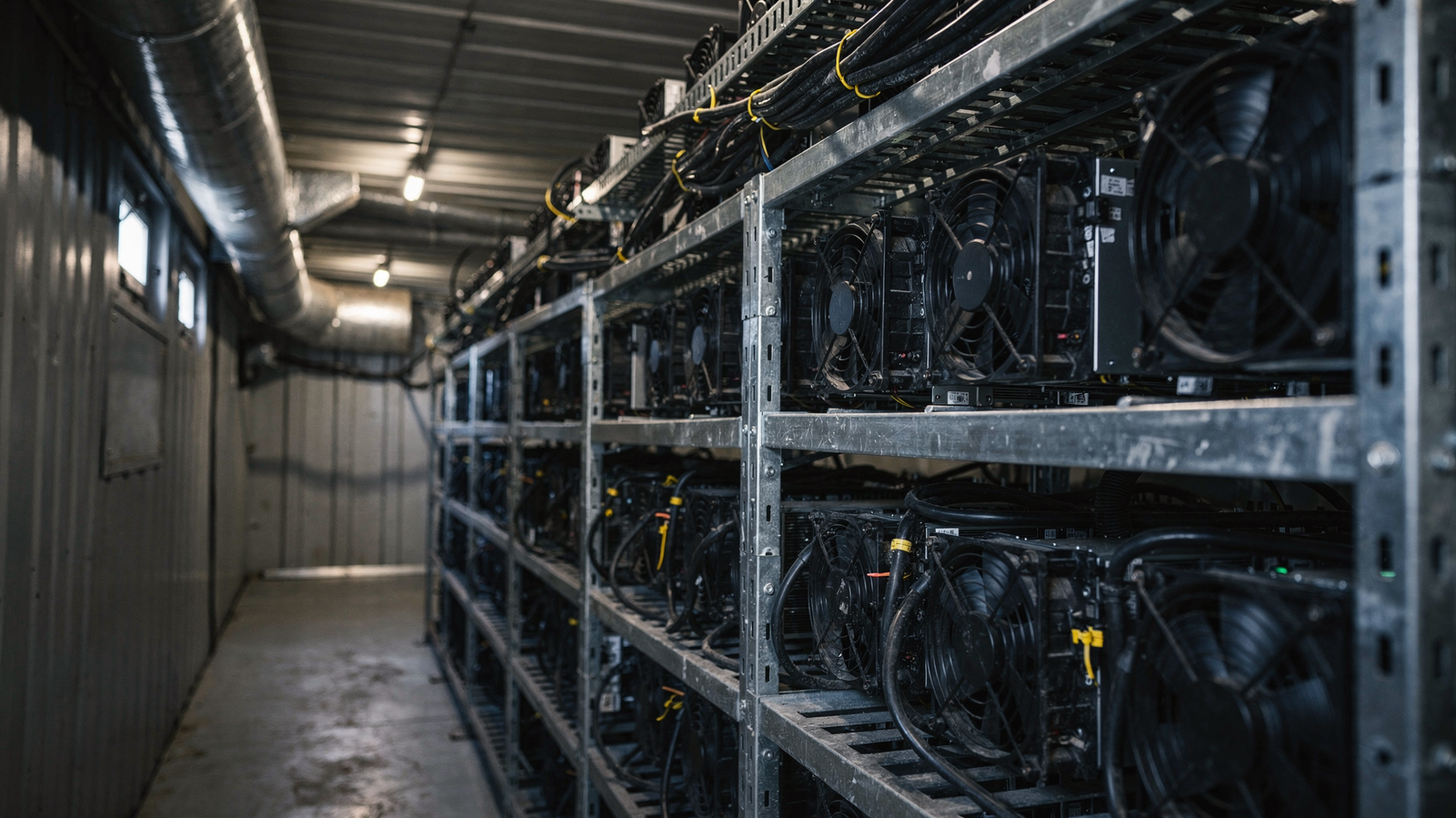
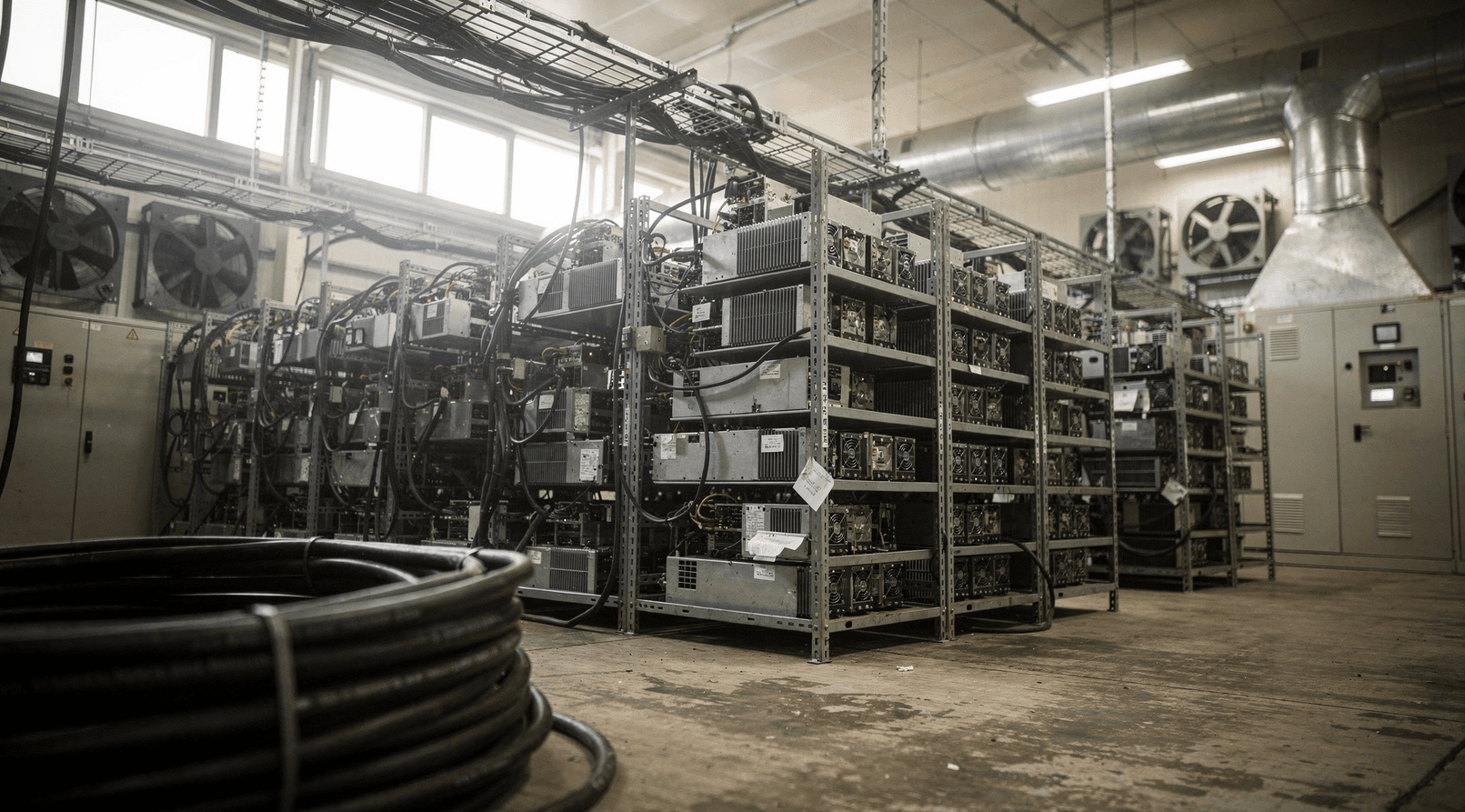
In this environment, alternative models for putting the energy to use are increasingly being sought – models that are not directly tied to exchange prices or to administratively set purchase mechanisms. One of these models is using the electricity produced to power computing capacity, including ASIC-based systems for cryptographic computation and Bitcoin mining.
The economic logic behind this approach is relatively simple. Instead of the electricity being sold on a market with a low or negative margin, it is converted into a digital asset whose price is set by a global market independent of the local energy balance. In this way the producer effectively diversifies its revenue and reduces its exposure to the “day-ahead” segment, as well as to short-term price swings.
Such a model also allows more flexible load management. When exchange prices are high, the electricity can be sold on the market, while at low or zero prices it is redirected to internal consumption through computing infrastructure. This creates a hybrid operating model that optimises revenue against current market conditions.
Given the growing share of renewable energy sources in the energy mix and the forthcoming changes to the regulatory framework at European level, the question of managing surplus generation efficiently will only become more pressing. For photovoltaic plants this means a need to adapt – not only to technological realities, but to market ones as well.
Spring, traditionally seen as the season of high output for solar assets, is increasingly turning into a test of their economic resilience too. In this context, solutions that allow better use of the energy produced outside the classic sales channels are starting to be seen not as an alternative, but as the logical continuation of the sector's development.